“Discover how to immerse yourself in Indonesia’s captivating culture and lifestyle. Consider expanding your horizons to conduct a business or invest in this vibrant nation.”
Background Overview
NusaVibes serves as a vibrant gateway to Indonesia’s rich culture, music, culinary heritage, and stunning destinations. In addition to offering original storytelling and detailed travel guides, NusaVibes highlights the practicality of living in Indonesia. Once you experience the convenience and beauty of life in Indonesia, you may consider extending your stay.
There are various types of visas available for those wishing to reside longer, whether for leisure, work, or investment opportunities. The process for obtaining these visas can vary, and it is advisable to research the requirements or seek assistance from legal experts to navigate the application procedures. This way, you can fully immerse yourself in Indonesia’s vibrant lifestyle while exploring its opportunities for business and investment.
“Understand Indonesia before you visit, through local culture, food, music, places, and people.”
Discover the Soul of Indonesia
Indonesia is more than a destination. It is a feeling. It is the sound of a gamelan drifting through a quiet village at sunset. The rhythm of a drum echoing across the sea. The laughter of people gathering around a table. The scent of spices rising from a kitchen. The colors of a traditional ceremony. And the stories passed from one generation to the next. From the volcanic landscapes of Java to the turquoise waters of eastern Indonesia, every island has its own rhythm, character, and story. Here, tradition doesn’t simply live in museums.
It lives in people.
It lives in musicians creating new sounds from ancient instruments. In young artists mixing heritage with modern culture. In craftsmen keeping centuries-old traditions alive. In communities celebrating who they are through music, dance, food, art, and ritual.
This is Indonesia.
Not just a place to visit—but a culture to experience, a sound to discover, and stories waiting to be heard.
About Indonesia
An official overview — geography, demography, government, and national identity
Overview
The Republic of Indonesia (Indonesian: Republik Indonesia) is the world’s largest archipelagic state, stretching across more than 17,000 islands between the Indian and Pacific Oceans. It is the fourth most populous country on Earth and the largest predominantly Muslim-majority nation, while also being home to hundreds of ethnic groups, languages, and religious traditions living under the national motto Bhinneka Tunggal Ika — “Unity in Diversity.”
Quick Facts
Official name Republic of Indonesia (Republik Indonesia)
Capital Jakarta (administrative capital transitioning to Nusantara, East Kalimantan)
Independence Proclaimed 17 August 1945
Population Approximately 288 million (2026 estimate), the 4th largest in the world
Land area Approximately 1.81 million km²
Provinces 38
Official language Bahasa Indonesia
Currency Indonesian Rupiah (IDR)
Government Unitary presidential constitutional republic
National motto Bhinneka Tunggal Ika (“Unity in Diversity”)
Geography
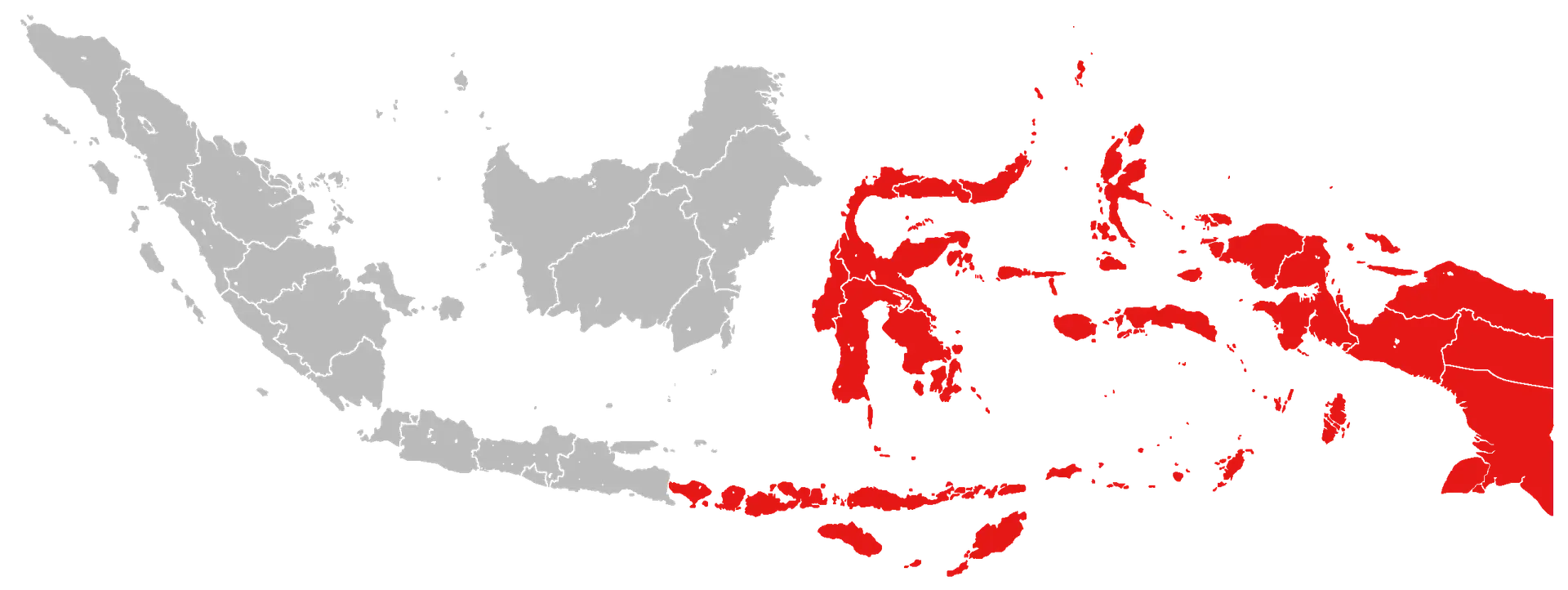
Indonesia sits astride the equator in Southeast Asia, positioned between the Indian and Pacific Oceans and bridging the Asian and Australian continents. It shares land borders with Malaysia (on Borneo), Papua New Guinea (on New Guinea), and Timor-Leste (on Timor), and maintains maritime borders with numerous neighboring states including Singapore, the Philippines, and Australia.
The nation’s five main islands are Sumatra, Java, Borneo (Kalimantan), Sulawesi, and New Guinea (Papua), alongside major archipelagos such as the Riau Islands, Bangka Belitung, Nusa Tenggara, Maluku, and Bali. Java, though relatively small in land area, is home to more than half of the country’s population and hosts the capital region.
Indonesia lies on the Pacific Ring of Fire, giving it one of the highest concentrations of active volcanoes in the world alongside frequent seismic activity. This volcanic geology has also produced some of the most fertile agricultural soil on the planet, particularly across Java and Bali.
The country’s climate is tropical, generally divided into a wet season and a dry season, with rainforest ecosystems that make it one of the most biodiverse nations on Earth — second only to Brazil in overall biodiversity, and home to iconic species such as the Sumatran tiger, Komodo dragon, and orangutan.Nusantara, a newly built city in East Kalimantan, has been designated as Indonesia’s future capital, with government functions gradually relocating there to relieve pressure on Jakarta.
Demography
Indonesia’s population is estimated at roughly 288 million people as of 2026, making it the fourth most populous country in the world after India, China, and the United States. The population is heavily concentrated on the island of Java, which holds more than half the national total despite covering a small fraction of the country’s land area. West Java, East Java, and Central Java are the three most populous provinces.Indonesia is one of the most ethnically diverse nations on Earth, with several hundred distinct ethnic groups and over 700 living languages spoken across the archipelago. The largest ethnic groups include the Javanese, Sundanese, Batak, Madurese, Betawi, Minangkabau, and Buginese, among many others.
While Bahasa Indonesia serves as the unifying official and national language, regional and local languages remain widely spoken in daily life.
In terms of religion, Indonesia recognizes six official faiths — Islam, Protestantism, Catholicism, Hinduism, Buddhism, and Confucianism — and constitutionally guarantees freedom of belief. The majority of the population is Muslim, making Indonesia home to the largest Muslim population of any country in the world, while Bali remains a distinctive center of Hindu culture and practice.
Government and Politics
Indonesia is a unitary presidential constitutional republic governed under the 1945 Constitution (Undang-Undang Dasar 1945), which establishes a separation of powers across executive, legislative, and judicial branches.
Head of State and Government: The President serves as both head of state and head of government, and is directly elected by popular vote for a five-year term, renewable once for a maximum of ten years in office.
As of 2026, Prabowo Subianto serves as President of Indonesia, with Gibran Rakabuming Raka as Vice President, following the 2024 general election.
Legislature: The People’s Consultative Assembly (MPR) comprises the House of Representatives (DPR) and the Regional Representative Council (DPD), responsible for lawmaking, budget approval, and oversight of the executive.
Judiciary: The judicial branch is headed by the Supreme Court and the Constitutional Court, which safeguards the constitution and adjudicates disputes over electoral and constitutional matters.
Administrative divisions: Indonesia is divided into 38 provinces, several of which — such as Aceh, Yogyakarta, and Jakarta — hold special autonomous status. Provinces are further subdivided into regencies (kabupaten) and cities (kota), each with elected local governments.
Economy
Indonesia possesses the largest economy in Southeast Asia and is classified among the world’s major emerging economies as a member of the G20. Its economy is diversified across agriculture, manufacturing, mining, and services, with significant global roles in commodities such as palm oil, coal, nickel, rubber, and coffee. Nickel processing in particular has become a strategic priority as global demand for electric-vehicle battery materials grows. The services and manufacturing sectors have expanded steadily as Indonesia continues its transition from a resource-dependent economy toward greater industrialization and digital-economy growth, with a large and youthful workforce supporting continued economic expansion.
Culture and National Identity
Indonesian culture reflects centuries of exchange among indigenous traditions, and Indian, Islamic, Chinese, and European influences layered across the archipelago’s long history as a maritime crossroads. This blending is visible in its performing arts (such as gamelan orchestras, wayang shadow puppetry, and regional dance traditions), its architecture (from Hindu-Buddhist temples like Borobudur and Prambanan to Islamic mosques and colonial-era buildings), and its culinary traditions, which vary dramatically from region to region.
National identity is anchored by the state ideology Pancasila, comprising five principles — belief in one God, just and civilized humanity, national unity, democracy guided by consensus, and social justice — which serves as the philosophical foundation of the Indonesian state alongside the Constitution.
National Symbols
Symbol National emblem Garuda Pancasila
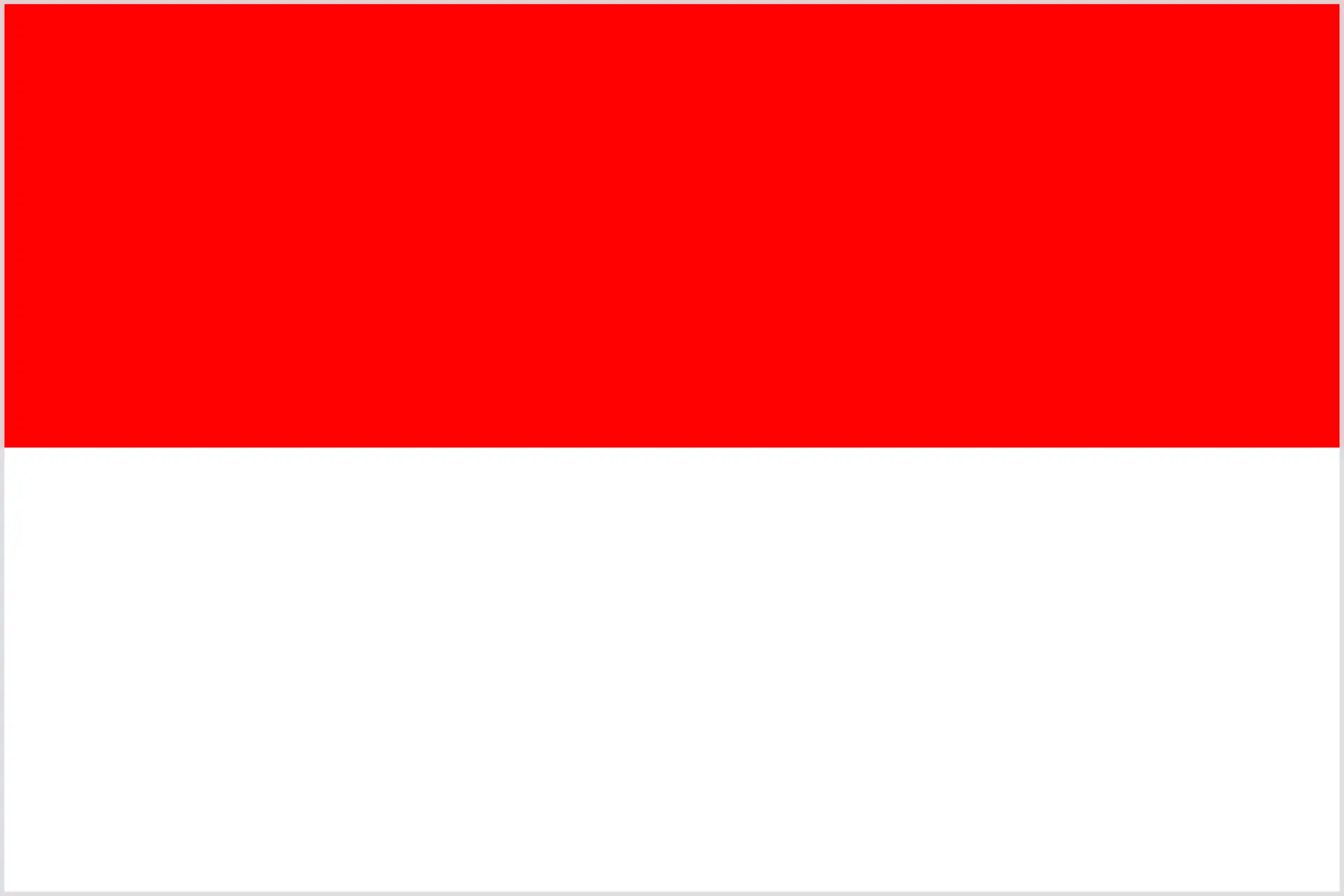
National flag Sang Saka Merah Putih (Red and White)
National anthem Indonesia Raya State ideology Pancasila
National motto Bhinneka Tunggal Ika
This overview is maintained by NusaVibes as part of its ongoing coverage of Indonesian culture, heritage, and identity. Figures on population, government office holders, and economic indicators reflect the most recent available estimates as of 2026 and are subject to periodic updates.